Gallstones: Causes, Symptoms, Diagnosis & Treatment
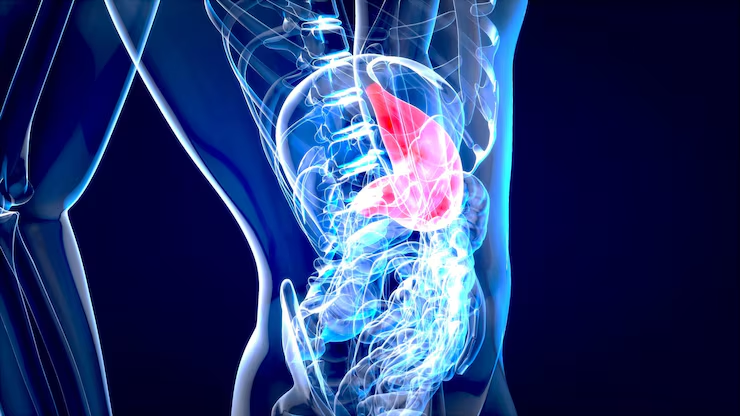
Gallstones are a common condition in which small, hard deposits develop inside the gallbladder. Some people may have gallstones without noticeable symptoms, while others can experience abdominal pain, nausea, vomiting, and digestive discomfort.
Timely diagnosis and appropriate treatment can help prevent complications and provide relief from recurring symptoms.
What are Gallstones?
The gallbladder is a small organ located beneath the liver that stores bile, a digestive fluid. Gallstones can form when substances present in bile become hardened and create stone-like deposits.
Gallstones may vary in size and number, and their symptoms can depend on whether they block the normal flow of bile.
Common Causes of Gallstones
Several factors may increase the likelihood of developing gallstones, including:
- Changes in the composition of bile
- Overweight or obesity
- Rapid weight loss
- Family history of gallstones
- Increasing age
- Certain medical conditions
- Dietary and lifestyle factors
Symptoms of Gallstones
Gallstones may not always cause symptoms. When they become problematic, common symptoms may include:
- Pain in the upper right or upper middle abdomen
- Abdominal pain after meals
- Nausea and vomiting
- Bloating or indigestion
- Pain that may spread to the back or shoulder
- Abdominal discomfort that comes and goes
Persistent or severe symptoms should be evaluated by a doctor.
How are Gallstones Diagnosed?
Diagnosis usually involves a medical history and physical examination. The doctor may recommend imaging tests to identify gallstones and assess the gallbladder.
- Ultrasound examination
- Blood tests when required
- Additional imaging tests in selected cases
Proper diagnosis helps determine whether treatment is necessary and which approach may be appropriate.
When Do Gallstones Require Treatment?
Gallstones that do not cause symptoms may not always require immediate treatment. However, recurrent pain, inflammation, infection, or blockage of the bile ducts may require medical or surgical management.
A surgeon can assess the symptoms and test results to recommend the appropriate course of treatment.
Surgical Treatment for Gallstones
When gallstones cause repeated symptoms or complications, gallbladder removal surgery, known as cholecystectomy, may be recommended.
In suitable patients, minimally invasive laparoscopic surgery may be performed through small incisions. The exact surgical approach depends on the patient's condition and the surgeon's assessment.
Possible Complications of Gallstones
Untreated symptomatic gallstones can sometimes lead to complications, particularly when a stone blocks the normal flow of bile.
- Gallbladder inflammation
- Bile duct blockage
- Infection
- Jaundice
- Pancreatitis
Severe abdominal pain, persistent vomiting, fever, or yellowing of the skin and eyes should be evaluated promptly.
Tips for Gallbladder Health
- Maintain a healthy body weight
- Avoid rapid weight-loss diets
- Follow a balanced diet
- Include adequate dietary fibre
- Stay physically active
- Avoid excessive intake of fatty foods if they trigger symptoms
When to Consult a General Surgeon
If you experience repeated abdominal pain, particularly after meals, nausea, vomiting, or other symptoms associated with gallstones, consult a qualified general surgeon for proper evaluation.
Dr. Ashish Sharma, Senior and Experienced General Surgeon and Associate Professor, provides comprehensive evaluation and treatment for gallstones and various other surgical conditions. His focus on accurate diagnosis and individualized treatment helps patients receive appropriate surgical care.