- Prostate Problems →
- Urinary Bladder Stones →
- Kidney Stones →
- Frequent Urination →
- Pus in Urine (Pyuria) →
- Blood in Urine (Hematuria) →
- Vaginal Discharge (White Discharge) →
- Excessive Menstrual Bleeding →
- Hemorrhoids (Piles) →
- Anal Fissure →
- Anal Fistula →
- Appendicitis →
- Hernia →
- Hydrocele →
- Gallbladder Stones (Gallstones) →
- Burn Patients →
- Abdominal Problems →
- Chest Injuries →

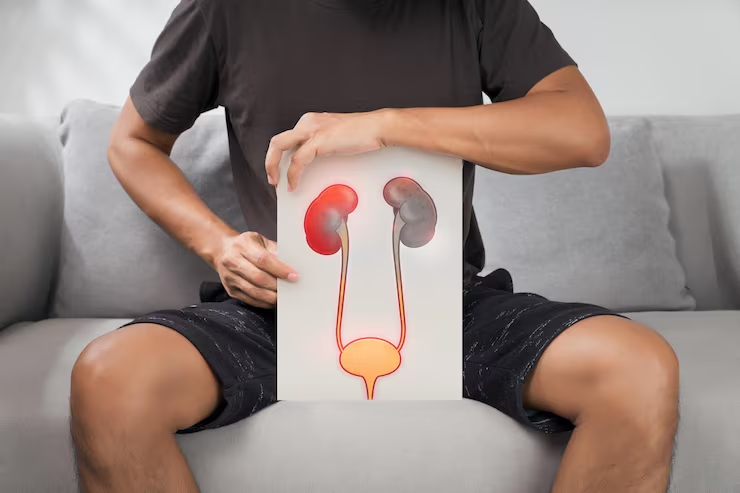
Urinary Bladder Stones
Urinary bladder stones are hard mineral deposits that form inside the bladder when urine becomes concentrated or the bladder does not empty completely. They can cause urinary discomfort, difficulty passing urine, and other bladder-related symptoms.
Timely diagnosis and appropriate treatment can help relieve symptoms, prevent complications, and improve urinary health. Proper evaluation is important to determine the size, number, and underlying cause of the stones.
Common Symptoms of Bladder Stones
- Pain or discomfort in the lower abdomen
- Pain or burning sensation while urinating
- Frequent urge to urinate
- Difficulty starting or maintaining urine flow
- Interrupted urine stream
- Blood in the urine
- Difficulty passing urine
Common Causes of Bladder Stones
Bladder stones may develop due to conditions that prevent the bladder from emptying properly or cause minerals to accumulate in the urine:
- Incomplete emptying of the bladder
- Enlarged prostate
- Urinary tract blockage
- Recurrent urinary infections
- Use of certain urinary devices
- Other bladder or urinary system conditions
Diagnosis
A detailed evaluation helps identify bladder stones and determine the most suitable treatment. Depending on the symptoms, the doctor may recommend:
- Physical and clinical examination
- Urine tests
- Blood tests when required
- Ultrasound examination
- X-ray or other imaging tests if required
- Cystoscopy for direct examination of the bladder when necessary
Treatment Approach
Treatment depends on the size and number of stones, symptoms, and the underlying cause:
- Increased fluid intake when medically appropriate
- Medicines for associated urinary problems when required
- Monitoring of small stones in selected cases
- Endoscopic procedures to break or remove bladder stones
- Surgical treatment for larger or complicated stones when required
- Treatment of the underlying cause to reduce recurrence
Benefits of Professional Treatment
- Relief from painful urinary symptoms
- Improved urine flow
- Effective removal of bladder stones
- Reduced risk of urinary complications
- Identification and management of the underlying cause
Prevention and Recovery
Following the recommended treatment plan and maintaining healthy urinary habits can help reduce the risk of recurrence.
- Drink adequate fluids as advised
- Do not ignore persistent urinary symptoms
- Follow prescribed medications and treatment
- Attend recommended follow-up appointments
- Get underlying prostate or urinary problems evaluated
Why Choose Dr. Ashish Sharma
- Experienced General Surgeon and Associate Professor
- Comprehensive evaluation of urinary problems
- Accurate diagnosis and personalized treatment planning
- Focus on safe and effective surgical care
- Patient-focused approach to recovery and long-term urinary health