Hernia: Causes, Symptoms, Types & Treatment Options
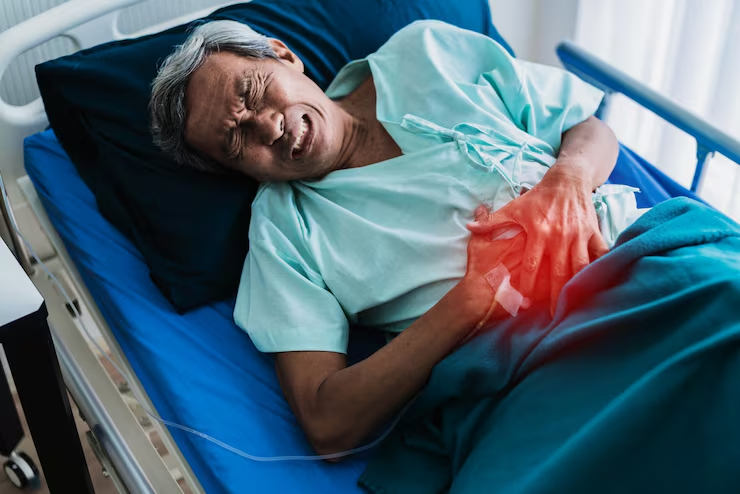
Hernia is a common surgical condition that occurs when an internal organ or tissue pushes through a weakened area of the surrounding muscle or tissue. It can develop in different parts of the body and may cause a visible bulge, discomfort, or pain.
Early evaluation of a hernia can help prevent complications and determine the most appropriate treatment option.
What is a Hernia?
A hernia develops when tissues or an organ pushes through a weak spot in the muscles or surrounding tissues that normally hold it in place. The swelling may become more noticeable while standing, coughing, lifting, or straining.
Common Types of Hernia
Hernias can occur at different locations. Some commonly seen types include:
- Inguinal hernia
- Umbilical hernia
- Incisional hernia
- Femoral hernia
- Epigastric hernia
The type of hernia depends on its location and the area of weakness through which the tissue is protruding.
Common Causes of Hernia
Several factors can contribute to the development of a hernia, including:
- Weakness in the abdominal muscles
- Heavy lifting or physical strain
- Persistent coughing
- Chronic constipation and straining
- Obesity
- Previous abdominal surgery
- Pregnancy
Sometimes, a hernia can develop due to a combination of muscle weakness and increased pressure inside the abdomen.
Symptoms of Hernia
The symptoms may vary depending on the type and size of the hernia. Common symptoms include:
- A visible or noticeable bulge
- Pain or discomfort at the affected area
- Heaviness or pressure
- Discomfort while coughing or lifting
- Burning or aching sensation
- Increasing size of the swelling
Some hernias may initially cause little or no discomfort but can gradually become more noticeable.
How is Hernia Diagnosed?
Diagnosis usually begins with a detailed medical history and physical examination. The doctor may examine the swelling while the patient is standing, coughing, or straining.
In certain cases, imaging tests such as ultrasound or CT scan may be advised to understand the hernia more clearly.
Hernia Treatment Options
The treatment depends on the type, size, symptoms, and overall health of the patient.
Observation
Some small hernias with minimal symptoms may be monitored by a doctor. Regular evaluation may be recommended to check for changes.
Surgical Treatment
When a hernia causes pain, increases in size, or has a risk of complications, surgical repair may be recommended. The procedure involves returning the protruding tissue to its appropriate position and strengthening the weakened area.
Hernia repair may be performed using open surgery or minimally invasive techniques, depending on the patient's condition and the surgeon's assessment.
Possible Complications
An untreated or complicated hernia can sometimes lead to serious problems. Warning signs that require urgent medical attention include:
- Sudden and severe pain
- A swelling that becomes hard or very tender
- Vomiting or severe nausea
- Inability to pass stool or gas
- A hernia that cannot be pushed back
Prompt medical evaluation is important if these symptoms occur.
Recovery After Hernia Surgery
Recovery depends on the type of hernia and the surgical procedure performed. Patients are generally advised to follow their surgeon's instructions regarding physical activity, wound care, diet, and follow-up visits.
- Keep the surgical area clean and protected
- Avoid heavy lifting until advised
- Follow prescribed medications
- Maintain a healthy diet
- Attend scheduled follow-up appointments
How to Reduce the Risk of Hernia
- Maintain a healthy body weight
- Avoid unnecessary heavy lifting
- Use proper lifting techniques
- Prevent chronic constipation
- Manage persistent coughing
- Maintain regular physical activity
When to Consult a General Surgeon
If you notice a new swelling or bulge in the abdomen or groin, experience persistent pain, or notice that an existing hernia is increasing in size, consult a qualified general surgeon for proper evaluation.
Dr. Ashish Sharma, Senior and Experienced General Surgeon and Associate Professor, provides comprehensive evaluation and treatment for hernia and various other surgical conditions. His approach focuses on accurate diagnosis, appropriate treatment planning, and quality patient care.