- Prostate Problems →
- Urinary Bladder Stones →
- Kidney Stones →
- Frequent Urination →
- Pus in Urine (Pyuria) →
- Blood in Urine (Hematuria) →
- Vaginal Discharge (White Discharge) →
- Excessive Menstrual Bleeding →
- Hemorrhoids (Piles) →
- Anal Fissure →
- Anal Fistula →
- Appendicitis →
- Hernia →
- Hydrocele →
- Gallbladder Stones (Gallstones) →
- Burn Patients →
- Abdominal Problems →
- Chest Injuries →

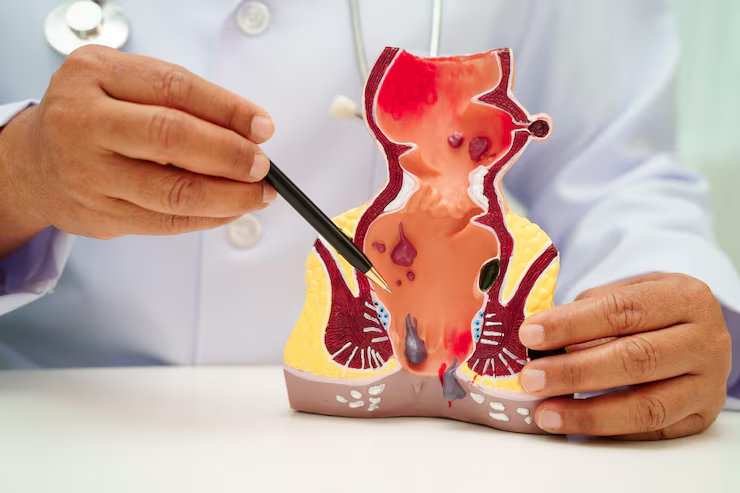
Anal Fissure
An anal fissure is a small tear or cut in the lining of the anus. It commonly develops due to passing hard or large stools and can cause sharp pain, burning, or bleeding during and after bowel movements.
Anal fissures can be acute or become chronic when they persist for a longer period. Early diagnosis and appropriate treatment can help relieve discomfort, promote healing, and reduce the risk of recurrence.
Common Causes of Anal Fissure
- Passing hard or dry stools
- Chronic constipation
- Straining during bowel movements
- Frequent or prolonged diarrhoea
- Childbirth
- Injury or irritation around the anal area
Symptoms of Anal Fissure
- Sharp pain during bowel movements
- Burning pain that may continue after passing stool
- Bright red blood on the stool or toilet paper
- Itching or irritation around the anus
- Spasm or tightness around the anal muscles
- Fear of passing stool due to pain
Diagnosis
Anal fissures can often be diagnosed through a detailed medical history and careful clinical examination. Further evaluation may be recommended when symptoms are persistent, recurrent, or atypical.
- Medical history and symptom assessment
- Clinical examination of the anal area
- Additional tests when required
- Evaluation for underlying bowel or anal conditions in selected cases
Treatment Approach
Treatment depends on the duration and severity of the fissure and the individual patient's condition:
- High-fibre diet and adequate fluid intake
- Stool-softening measures when required
- Warm sitz baths for symptom relief
- Medicines or topical treatments to promote healing
- Treatment of underlying constipation or bowel problems
- Surgical treatment for chronic or treatment-resistant fissures
Benefits of Professional Treatment
- Relief from anal pain and burning
- Improved bowel movement comfort
- Promotion of fissure healing
- Reduced risk of recurrent fissures
- Appropriate treatment for chronic or persistent cases
Prevention and Lifestyle Care
- Eat fibre-rich foods
- Drink adequate water
- Avoid excessive straining during bowel movements
- Manage constipation promptly
- Maintain regular physical activity
- Follow the recommended treatment plan
When to Consult a Doctor
Persistent anal pain, recurrent bleeding, difficulty passing stool, or symptoms that do not improve with basic measures should be evaluated by a qualified surgeon. Early treatment can help prevent an acute fissure from becoming chronic.
Why Choose Dr. Ashish Sharma
- Senior and Experienced General Surgeon and Associate Professor
- Comprehensive evaluation and treatment of anal fissure
- Accurate diagnosis and personalized treatment planning
- Non-surgical and surgical treatment options based on individual needs
- Patient-focused approach to safe and effective recovery