- Prostate Problems →
- Urinary Bladder Stones →
- Kidney Stones →
- Frequent Urination →
- Pus in Urine (Pyuria) →
- Blood in Urine (Hematuria) →
- Vaginal Discharge (White Discharge) →
- Excessive Menstrual Bleeding →
- Hemorrhoids (Piles) →
- Anal Fissure →
- Anal Fistula →
- Appendicitis →
- Hernia →
- Hydrocele →
- Gallbladder Stones (Gallstones) →
- Burn Patients →
- Abdominal Problems →
- Chest Injuries →

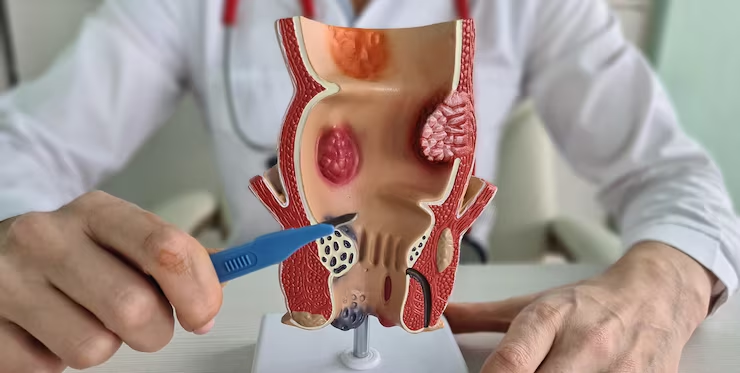
Anal Fistula
An anal fistula is an abnormal tunnel or connection that develops between the inside of the anus or rectum and the skin around the anus. It commonly develops after an infection or anal abscess and may cause persistent pain, swelling, or discharge.
Anal fistulas usually require proper medical evaluation because they may not heal on their own. Timely diagnosis and appropriate treatment can help manage the condition, prevent recurrent infection, and support proper healing.
Common Causes of Anal Fistula
- Previous anal or perianal abscess
- Infection of anal glands
- Recurrent inflammation around the anus
- Certain intestinal or inflammatory conditions
- Previous surgery or injury in selected cases
Symptoms of Anal Fistula
- Persistent or recurrent pain around the anus
- Swelling near the anal opening
- Pus or other discharge from the skin
- Skin irritation or itching
- Recurrent anal abscess
- Small opening or wound near the anus
- Fever when associated with an active infection
Diagnosis
A detailed examination helps identify the external opening and assess the fistula. Depending on the location and complexity, additional investigations may be required.
- Detailed medical history
- Clinical examination
- Proctological examination when required
- Ultrasound or MRI in selected cases
- Additional investigations for complex or recurrent fistulas
Treatment Approach
Treatment depends on the location, complexity, and extent of the fistula:
- Management of associated infection or abscess
- Medicines when required for associated infection
- Fistulotomy for suitable fistulas
- Seton or other specialized procedures for selected cases
- Advanced surgical techniques for complex fistulas
- Regular wound care and follow-up after treatment
Benefits of Professional Treatment
- Relief from pain, swelling, and discharge
- Management of recurrent infection
- Appropriate treatment based on fistula complexity
- Reduced risk of recurrence
- Better healing and recovery
Recovery and Aftercare
Recovery depends on the type of fistula and the treatment performed. Proper aftercare and regular follow-up are important for healing.
- Keep the affected area clean
- Follow recommended wound-care instructions
- Maintain a fibre-rich diet
- Drink adequate fluids
- Avoid constipation and excessive straining
- Attend follow-up appointments as advised
When to Consult a Doctor
Persistent anal pain, recurrent swelling, pus discharge, a non-healing wound, or repeated abscesses around the anus should be evaluated by a qualified surgeon. Early treatment can help prevent the condition from becoming more complex.
Why Choose Dr. Ashish Sharma
- Senior and Experienced General Surgeon and Associate Professor
- Comprehensive evaluation and treatment of anal fistula
- Accurate diagnosis and personalized treatment planning
- Appropriate surgical options based on individual condition
- Patient-focused approach to safe and effective recovery