- Prostate Problems →
- Urinary Bladder Stones →
- Kidney Stones →
- Frequent Urination →
- Pus in Urine (Pyuria) →
- Blood in Urine (Hematuria) →
- Vaginal Discharge (White Discharge) →
- Excessive Menstrual Bleeding →
- Hemorrhoids (Piles) →
- Anal Fissure →
- Anal Fistula →
- Appendicitis →
- Hernia →
- Hydrocele →
- Gallbladder Stones (Gallstones) →
- Burn Patients →
- Abdominal Problems →
- Chest Injuries →

Gallbladder Stones (Gallstones)
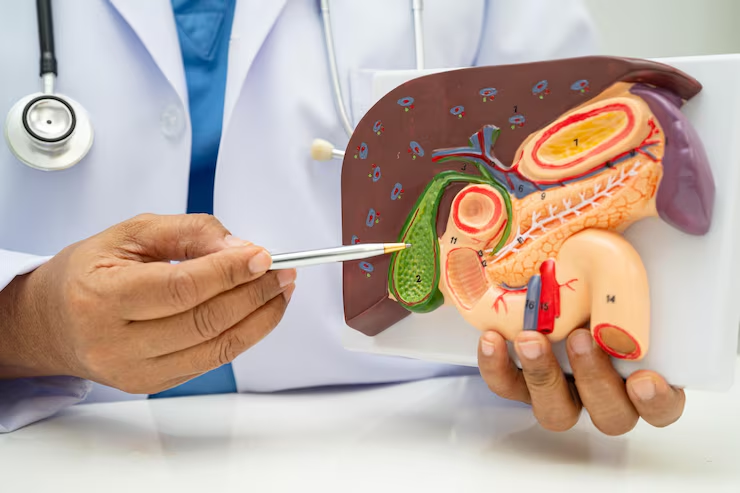
Gallbladder stones, commonly known as gallstones, are hard deposits that form inside the gallbladder. They may remain without symptoms in some people, while in others they can cause abdominal pain, nausea, vomiting, and digestive discomfort.
Timely evaluation is important when gallstones cause symptoms or complications. Proper diagnosis helps determine the most suitable treatment and can prevent recurrent pain and other gallbladder-related problems.
Common Causes of Gallstones
- Imbalance in the substances present in bile
- Excess cholesterol in bile
- Incomplete emptying of the gallbladder
- Obesity or being overweight
- Rapid weight loss
- Family history of gallstones
- Increasing age and certain medical conditions
Symptoms of Gallstones
- Pain in the upper right or upper middle abdomen
- Abdominal pain after eating, particularly fatty meals
- Nausea or vomiting
- Bloating and indigestion
- Pain that may spread to the back or right shoulder
- Abdominal discomfort that may occur repeatedly
Some people may have gallstones without experiencing any symptoms. Symptomatic gallstones require proper medical evaluation.
Diagnosis
A detailed assessment helps identify gallstones and determine whether the gallbladder is inflamed or there are other complications.
- Medical history and physical examination
- Ultrasound of the abdomen
- Blood tests when required
- Additional imaging tests in selected cases
Treatment Approach
Treatment depends on whether the gallstones are causing symptoms, their complications, and the patient's overall health:
- Observation for gallstones that do not cause symptoms
- Dietary and lifestyle advice when appropriate
- Medicines for symptom management in selected cases
- Laparoscopic gallbladder removal for symptomatic gallstones when recommended
- Management of gallbladder inflammation or related complications
- Additional procedures when stones affect the bile ducts
Benefits of Professional Treatment
- Relief from recurrent abdominal pain
- Reduced risk of gallstone-related complications
- Improved digestive comfort
- Accurate assessment of gallbladder health
- Personalized treatment based on individual needs
Recovery and Aftercare
Recovery depends on the treatment performed and the patient's overall condition. After gallbladder surgery, following medical advice can help support a smooth recovery.
- Follow prescribed medicines and instructions
- Follow recommended dietary advice
- Avoid strenuous activity until advised
- Keep surgical wounds clean and protected
- Attend scheduled follow-up appointments
When to Consult a Doctor
Repeated abdominal pain, particularly after meals, nausea, vomiting, fever, or yellowing of the skin or eyes should be medically evaluated. Severe or persistent abdominal pain requires prompt medical attention.
Why Choose Dr. Ashish Sharma
- Senior and Experienced General Surgeon and Associate Professor
- Comprehensive evaluation and treatment of gallbladder stones
- Accurate diagnosis and personalized treatment planning
- Minimally invasive surgical options when appropriate
- Patient-focused approach to safe and effective recovery