- Prostate Problems →
- Urinary Bladder Stones →
- Kidney Stones →
- Frequent Urination →
- Pus in Urine (Pyuria) →
- Blood in Urine (Hematuria) →
- Vaginal Discharge (White Discharge) →
- Excessive Menstrual Bleeding →
- Hemorrhoids (Piles) →
- Anal Fissure →
- Anal Fistula →
- Appendicitis →
- Hernia →
- Hydrocele →
- Gallbladder Stones (Gallstones) →
- Burn Patients →
- Abdominal Problems →
- Chest Injuries →

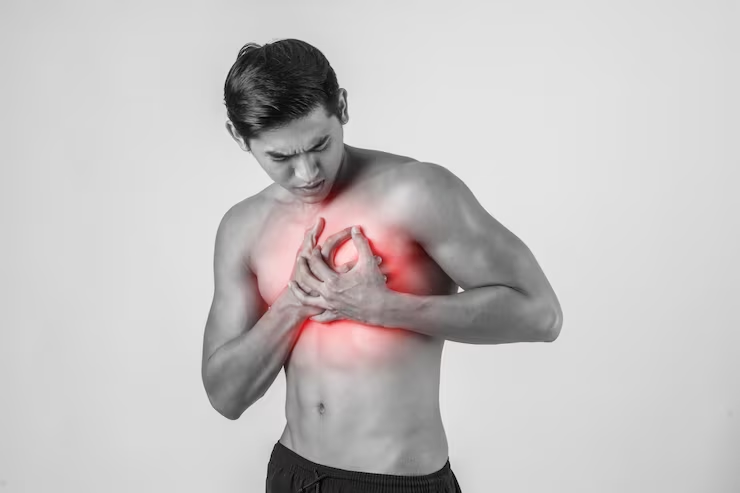
Chest Injuries
Chest injuries can affect the ribs, muscles, lungs, and other structures within the chest. They may occur due to road accidents, falls, sports injuries, blunt trauma, or other physical impacts. Depending on the severity, chest injuries may cause pain, swelling, breathing difficulty, or other serious symptoms.
Timely medical evaluation is important to assess the extent of the injury and identify any damage to the ribs, lungs, or surrounding tissues. Appropriate treatment can help manage pain, support healing, and prevent complications.
Common Types of Chest Injuries
- Rib fractures
- Chest wall injuries
- Chest muscle injuries
- Bruising and soft tissue injuries
- Blunt chest trauma
- Penetrating chest injuries
Symptoms of Chest Injuries
- Chest pain or tenderness
- Pain that increases with deep breathing or coughing
- Swelling or bruising
- Difficulty breathing
- Pain while moving the upper body
- Shortness of breath
- Visible deformity in severe injuries
Diagnosis
A detailed assessment helps determine the severity of a chest injury and whether internal structures are affected.
- Medical history and physical examination
- Assessment of breathing and vital signs
- Chest X-ray when required
- CT scan for selected or more complex injuries
- Additional tests based on the patient's symptoms and condition
Treatment Approach
Treatment depends on the type and severity of the chest injury:
- Pain management and supportive care
- Rest and activity modification
- Treatment of rib fractures and chest wall injuries
- Breathing exercises when recommended
- Management of associated lung injuries
- Surgical treatment for severe or complicated chest injuries when required
Benefits of Professional Treatment
- Accurate assessment of chest trauma
- Effective pain management
- Early identification of internal injuries
- Better breathing and recovery
- Reduced risk of complications
- Personalized treatment according to injury severity
Recovery and Aftercare
Recovery depends on the severity and type of chest injury. Following medical advice is important for proper healing and maintaining normal breathing.
- Take prescribed medicines as directed
- Follow recommended breathing exercises
- Avoid strenuous activities until advised
- Maintain adequate rest and nutrition
- Attend follow-up appointments when recommended
- Report worsening pain or breathing difficulty promptly
When to Seek Immediate Medical Attention
Chest injuries accompanied by severe chest pain, difficulty breathing, coughing up blood, dizziness, fainting, or rapidly worsening symptoms require immediate medical evaluation.
After significant trauma, even when symptoms initially appear mild, medical assessment may be important to rule out internal injuries.
Why Choose Dr. Ashish Sharma
- Senior and Experienced General Surgeon and Associate Professor
- Comprehensive evaluation of trauma and chest injuries
- Accurate assessment and diagnosis
- Personalized treatment planning
- Surgical management for complicated injuries when required
- Patient-focused approach to safe recovery