- Prostate Problems →
- Urinary Bladder Stones →
- Kidney Stones →
- Frequent Urination →
- Pus in Urine (Pyuria) →
- Blood in Urine (Hematuria) →
- Vaginal Discharge (White Discharge) →
- Excessive Menstrual Bleeding →
- Hemorrhoids (Piles) →
- Anal Fissure →
- Anal Fistula →
- Appendicitis →
- Hernia →
- Hydrocele →
- Gallbladder Stones (Gallstones) →
- Burn Patients →
- Abdominal Problems →
- Chest Injuries →

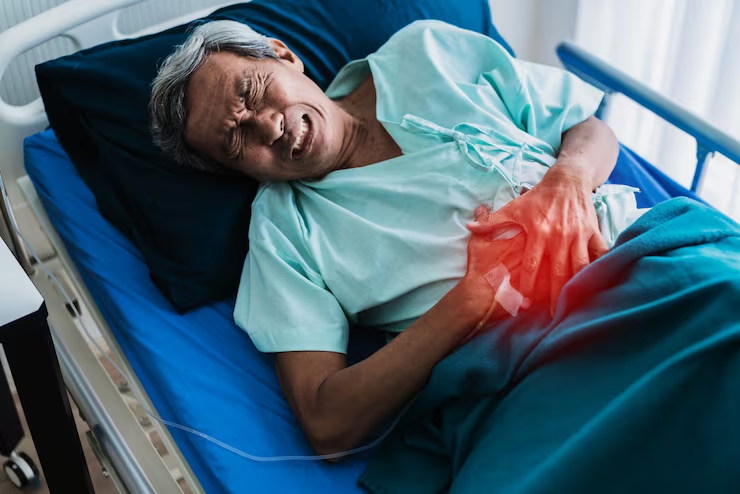
Hernia
A hernia is a common surgical condition that occurs when an internal organ or tissue pushes through a weak area in the surrounding muscle or tissue. It can develop in different parts of the body and may cause a visible bulge, pain, heaviness, or discomfort.
Early evaluation is important to understand the type and severity of the hernia and to determine the most suitable treatment. Timely surgical care can help prevent complications and support a better recovery.
Common Types of Hernia Treated
- Inguinal hernia
- Umbilical hernia
- Incisional hernia
- Femoral hernia
- Epigastric hernia
Common Causes of Hernia
- Weakness in the abdominal muscles
- Heavy lifting or physical strain
- Chronic coughing
- Constipation and repeated straining
- Obesity
- Pregnancy
- Previous abdominal surgery
Symptoms of Hernia
- Visible bulge or swelling in the abdomen or groin
- Pain or discomfort around the affected area
- Heaviness or pressure
- Increased discomfort while coughing or lifting
- Burning or aching sensation
- Increasing size of the swelling
Diagnosis
A detailed clinical examination helps identify the location and type of hernia. The doctor may examine the swelling while standing, coughing, or straining.
- Medical history and physical examination
- Clinical assessment of the swelling
- Ultrasound when required
- CT scan or other imaging tests for selected cases
Treatment Approach
Treatment depends on the type, size, symptoms, and overall health of the patient:
- Observation and regular monitoring for selected small hernias
- Lifestyle and activity modifications
- Open hernia repair when appropriate
- Laparoscopic or minimally invasive hernia repair in suitable cases
- Mesh repair when recommended
- Emergency treatment for complicated or obstructed hernias
Benefits of Professional Treatment
- Relief from pain and discomfort
- Repair of the weakened abdominal area
- Improved mobility and daily comfort
- Reduced risk of hernia-related complications
- Personalized treatment based on the type and severity of hernia
Recovery and Aftercare
Recovery depends on the type of hernia and the treatment performed. Following the surgeon's instructions can help support proper healing.
- Follow prescribed medicines and wound-care instructions
- Avoid heavy lifting until advised
- Maintain a balanced and fibre-rich diet
- Prevent constipation and excessive straining
- Gradually return to normal activities
- Attend scheduled follow-up appointments
When to Consult a Doctor
A new or increasing bulge, persistent pain, or discomfort in the abdomen or groin should be evaluated by a qualified surgeon. Sudden severe pain, vomiting, or a hernia that becomes hard and cannot be pushed back requires urgent medical attention.
Why Choose Dr. Ashish Sharma
- Senior and Experienced General Surgeon and Associate Professor
- Comprehensive evaluation and treatment of different types of hernia
- Accurate diagnosis and personalized treatment planning
- Open and minimally invasive surgical options when appropriate
- Patient-focused approach to safe and effective recovery