- Prostate Problems →
- Urinary Bladder Stones →
- Kidney Stones →
- Frequent Urination →
- Pus in Urine (Pyuria) →
- Blood in Urine (Hematuria) →
- Vaginal Discharge (White Discharge) →
- Excessive Menstrual Bleeding →
- Hemorrhoids (Piles) →
- Anal Fissure →
- Anal Fistula →
- Appendicitis →
- Hernia →
- Hydrocele →
- Gallbladder Stones (Gallstones) →
- Burn Patients →
- Abdominal Problems →
- Chest Injuries →

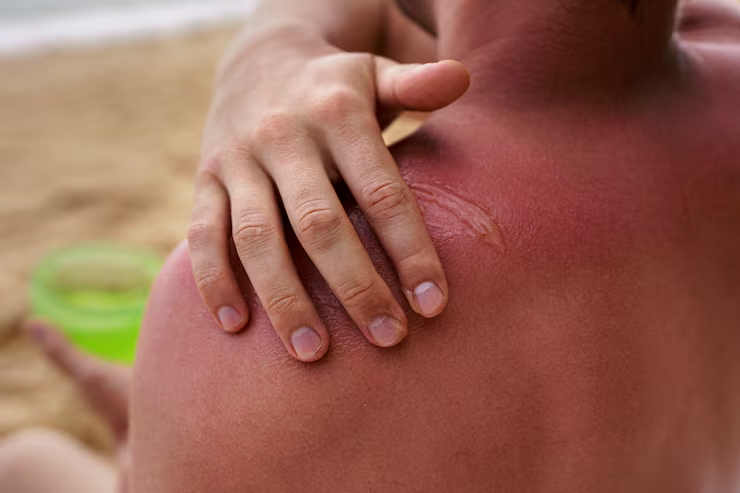
Burn Patients
Burn injuries can damage the skin and, in severe cases, deeper tissues of the body. Burns may occur due to fire, hot liquids, steam, chemicals, electricity, or prolonged exposure to heat. The severity of a burn depends on its depth, size, location, and cause.
Early and appropriate medical care is important for reducing the risk of infection, protecting damaged tissue, managing pain, and supporting proper wound healing. Severe burns require prompt assessment and specialized treatment.
Common Types of Burns
- Thermal burns caused by fire, hot liquids, or hot surfaces
- Scald burns caused by hot water, steam, or other liquids
- Chemical burns
- Electrical burns
- Friction burns
- Sun or radiation-related burns
Common Symptoms of Burn Injuries
- Redness and pain in the affected area
- Swelling and tenderness
- Blisters or damaged skin
- Peeling or loss of skin
- Changes in skin colour or texture
- Deep tissue damage in severe burns
The appearance and symptoms of a burn can vary depending on its depth and severity.
Burn Assessment
A detailed assessment helps determine the severity of the injury and the appropriate treatment plan.
- Assessment of burn depth
- Evaluation of the affected body surface area
- Examination of the burn location
- Assessment for infection or tissue damage
- Evaluation of associated injuries when required
Treatment Approach
Burn treatment depends on the depth, size, location, and severity of the injury:
- Immediate cooling and appropriate first-aid measures
- Pain management
- Cleaning and dressing of the wound
- Medicines and infection management when required
- Removal of damaged tissue in selected cases
- Skin grafting or reconstructive procedures for severe burns when required
- Regular wound monitoring and follow-up care
Benefits of Professional Burn Care
- Proper assessment of burn severity
- Reduced risk of wound infection
- Better wound healing
- Effective pain and symptom management
- Reduced risk of excessive scarring and complications
- Appropriate surgical or reconstructive care when required
Recovery and Wound Care
Recovery depends on the severity and location of the burn. Proper wound care and regular medical follow-up are important throughout the healing process.
- Follow prescribed wound-care instructions
- Keep dressings clean and dry as advised
- Take prescribed medicines regularly
- Maintain adequate nutrition and hydration
- Avoid disturbing healing skin or blisters
- Attend regular follow-up appointments
When to Seek Immediate Medical Attention
Severe burns, large-area burns, deep burns, electrical or chemical burns, burns involving the face, hands, feet, joints, or genitals, and burns associated with breathing difficulties require prompt medical evaluation.
Any burn showing increasing redness, swelling, pus, fever, or worsening pain should also be assessed by a medical professional.
Why Choose Dr. Ashish Sharma
- Senior and Experienced General Surgeon and Associate Professor
- Comprehensive evaluation and management of burn injuries
- Accurate assessment of wound severity
- Personalized wound-care and treatment planning
- Surgical and reconstructive treatment when clinically required
- Focus on safe healing and long-term recovery